P-40E Kittyhawk and the Defense of Pearl Harbor
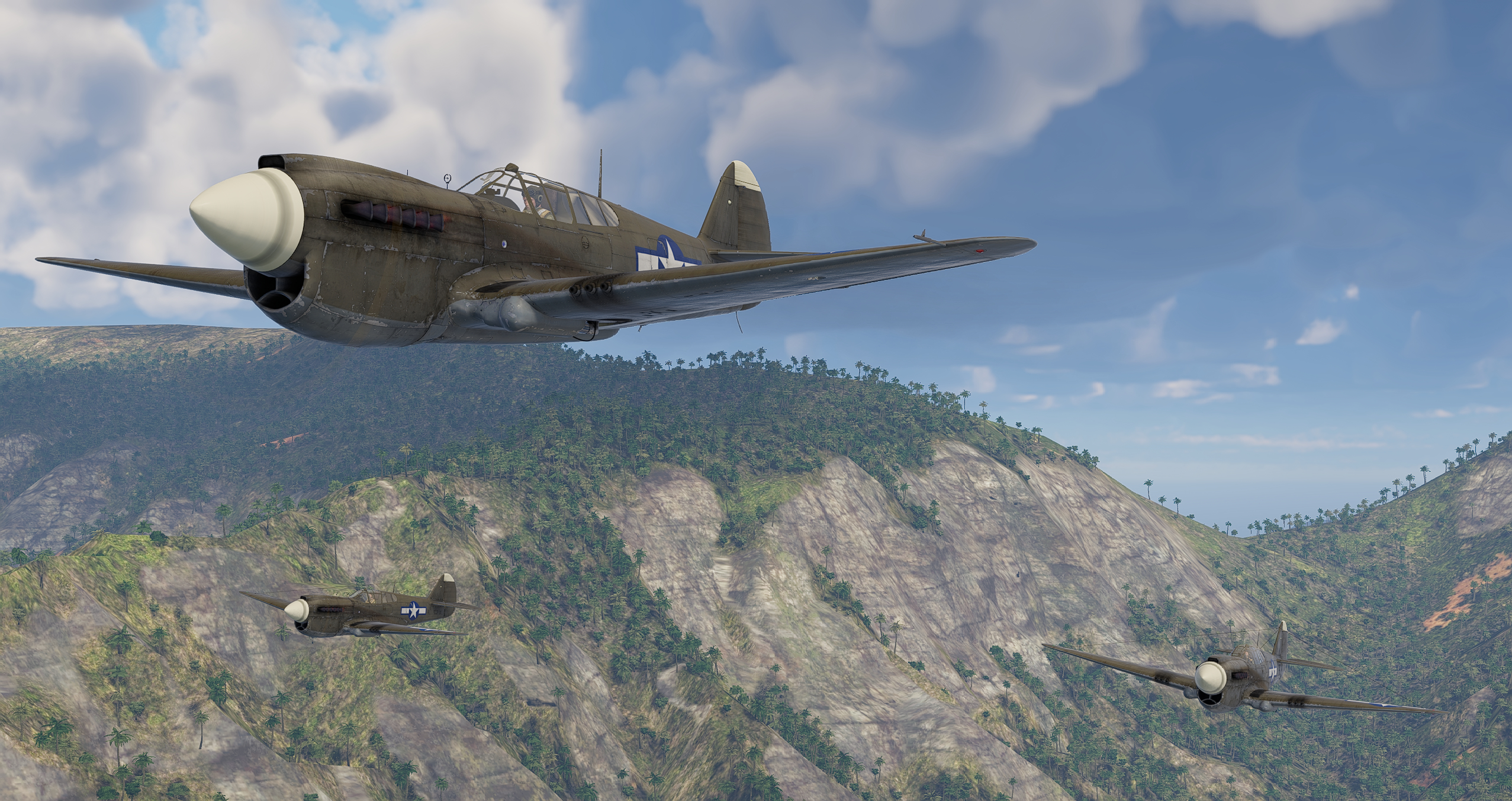
Beginning its development in 1936 as the XP-36 prototype, the P-40 was a development of the P-36. It underwent numerous upgrades and earned a strong reputation among pilots who flew it between 1941 and 1943. It entered service with the US Army Air Force in 1939 and subsequently underwent 19 modifications. A total of nearly 14,000 P-40 fighters were built, serving in 26 countries (including 2,243 aircraft transferred to the USSR under Lend-Lease).The P-40 was the third most mass produced American fighter during the Second World War.
In the autumn of 1941, P-40Es began arriving in operational units of the Royal Air Force and United States Army Air Forces. The aircraft received some improvements, including to the radiator which was slightly relocated, and six large-caliber Browning machine guns were added to the wings. More than 820 aircraft were built for the USAAF, and P-40 production continued until November 1944.
P-40E in Aces of Thunder
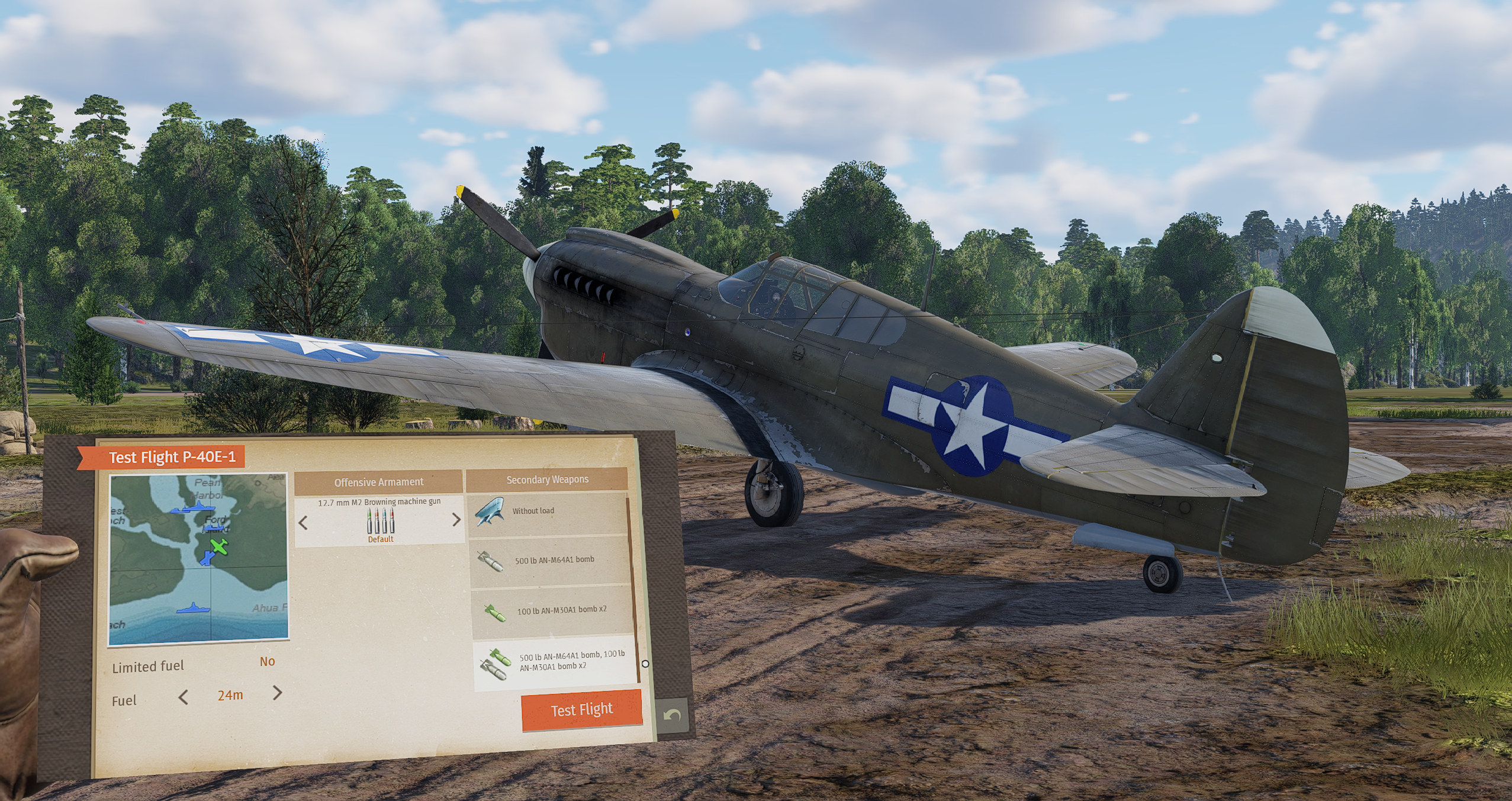
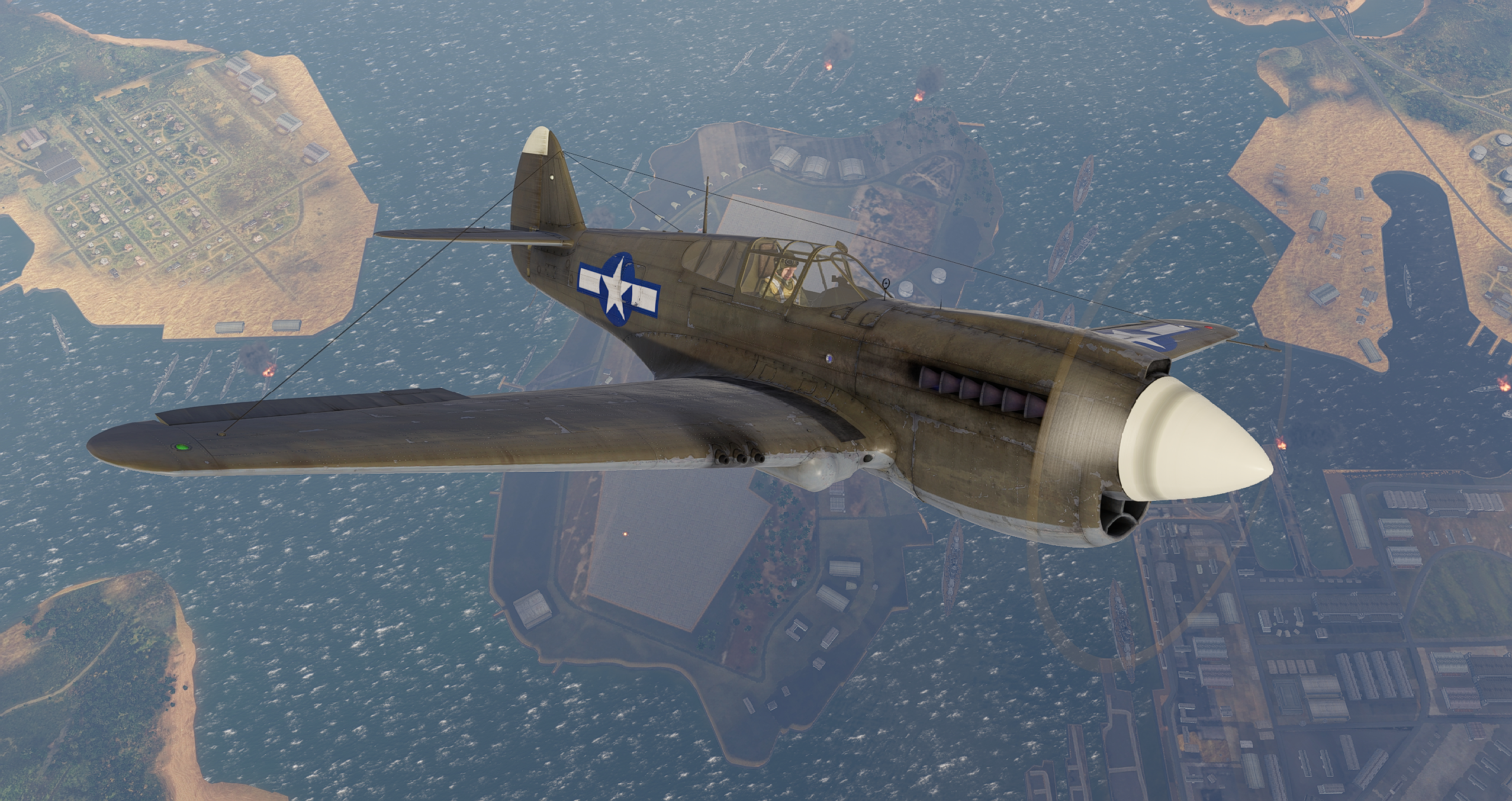
In Aces of Thunder, the P-40E boasts a high dive speed and good armament, offering overall versatility. However, the aircraft does have a low climb rate and quickly loses energy, which you’ll have to keep in mind in dogfights against maneuverable Japanese fighters.
The P-40E’s armament consists of six Browning M2 12.7 mm machine guns with 1,686 rounds of ammunition. These wing-mounted guns, plus good cockpit visibility make firing at enemies feel quite comfortable while using a VR headset. In close range dogfights, you’ll be able easily see where the tracers are leading, allowing you to adjust your fire to get on target when needed. In addition to its primary guns, the P-40E fighter-bomber is equipped with three loadouts of external weapons:
- Two AN-M30A1 100 lb bombs
- One AN-M64A1 500 lb bomb
- One AN-M64A1 500 lb bomb and two AN-M30A1 100 lb bombs
Keep in mind that bombs increase the aircraft’s weight, so you should drop them before engaging in a maneuvering dogfight. If you lose speed, remember to use your flaps, as they’ll help to prevent a spin!
War Stories Campaign. Mission: Sometimes They Come Back
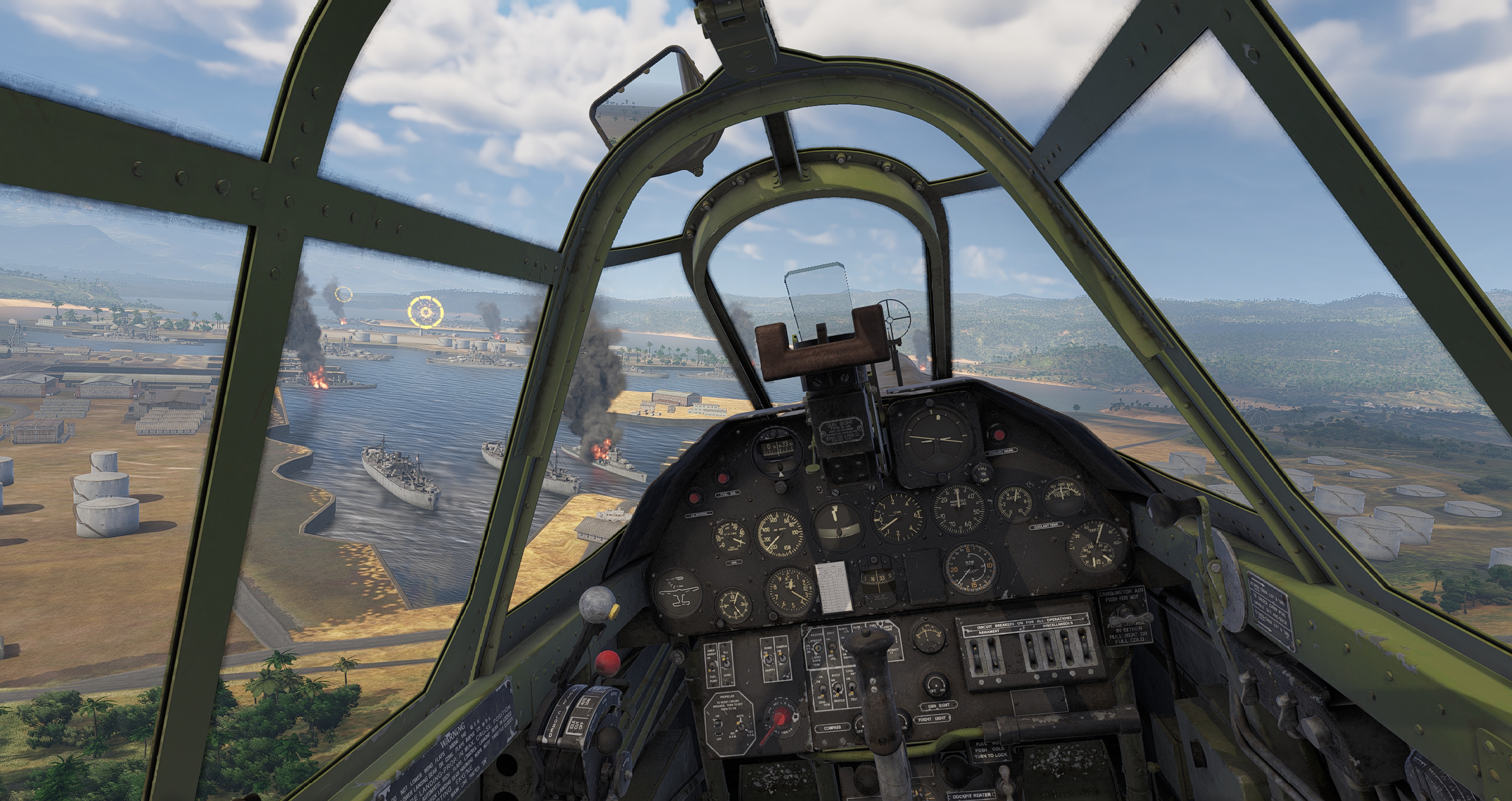
Many of us have seen the film Pearl Harbor, where Curtiss P-40s played a role in the defense of the naval base on December 7th, 1941. Although most of the P-40s were destroyed on the ground, pilots Ken Taylor and George Welch were among the few who took to the air and shot down several Japanese aircraft. According to American historians, only 14 American pilots were airborne during the attack, claiming 10 aerial victories. Taylor and Welch are credited with most of these, with George Welch shooting down four Japanese aircraft (two B5Ns, one D3A, and one A6M), and Ken Taylor destroying two B5Ns (two more victories, one B5N and one D3A, were credited to him as probable).
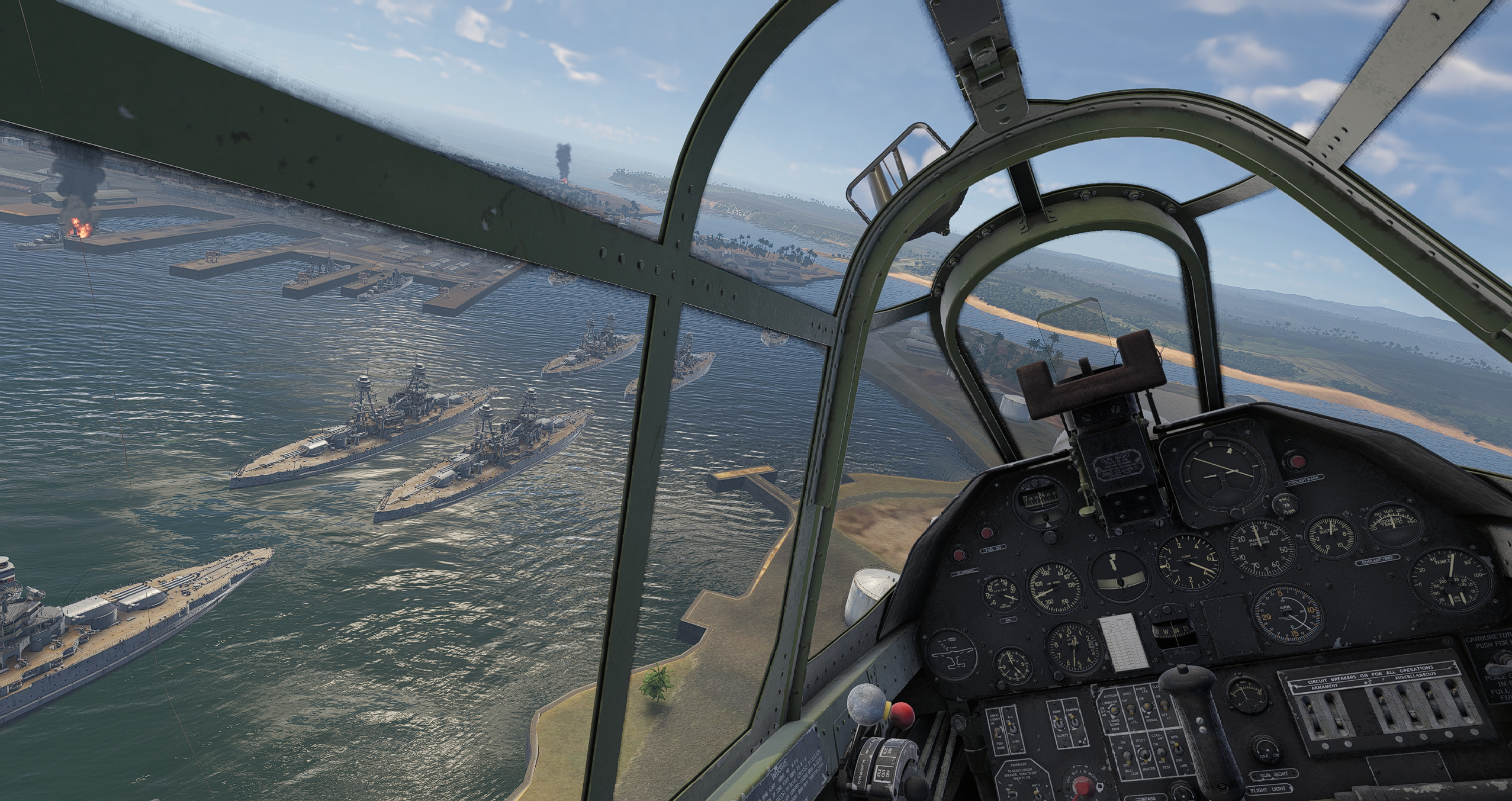
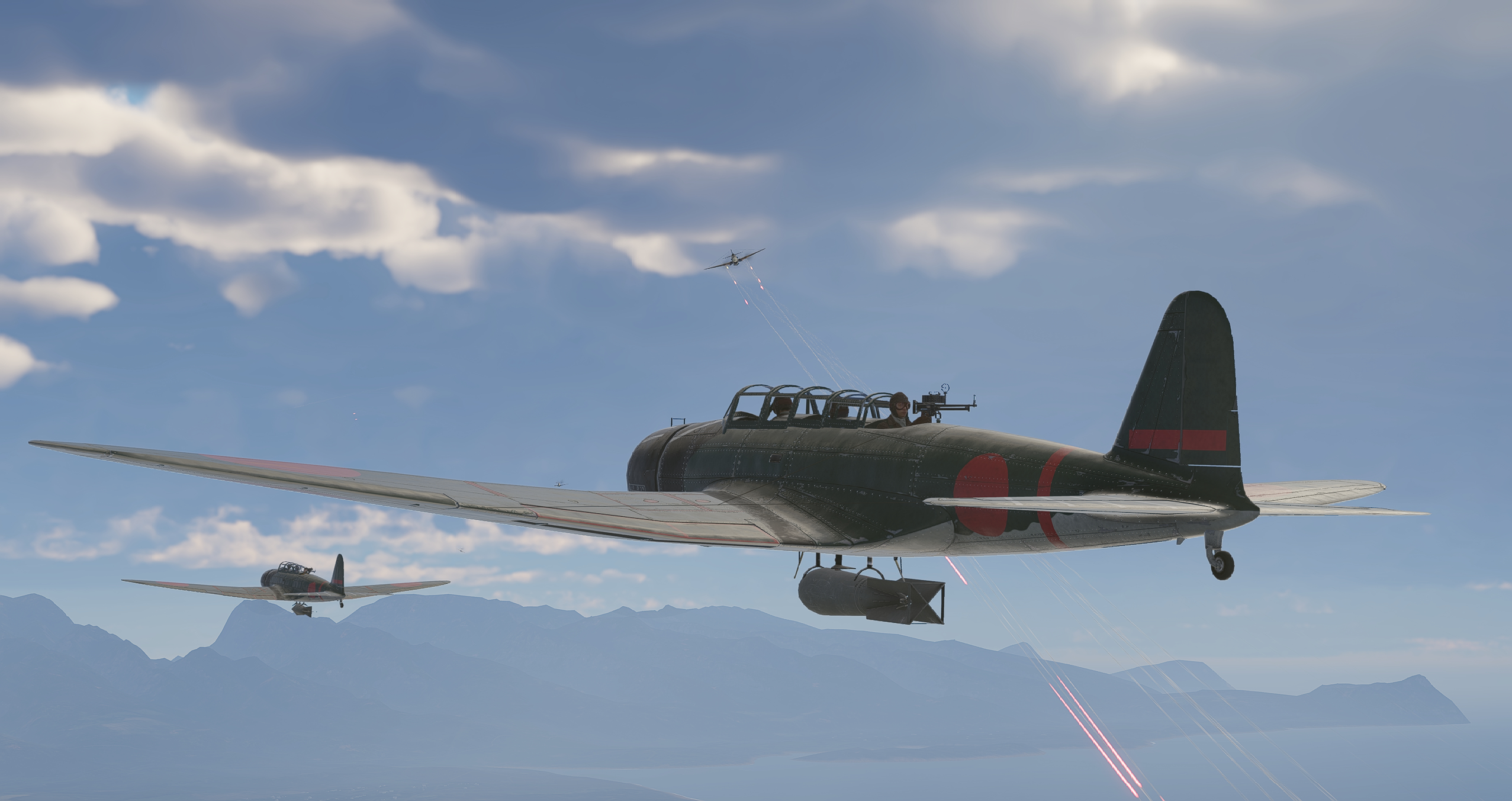
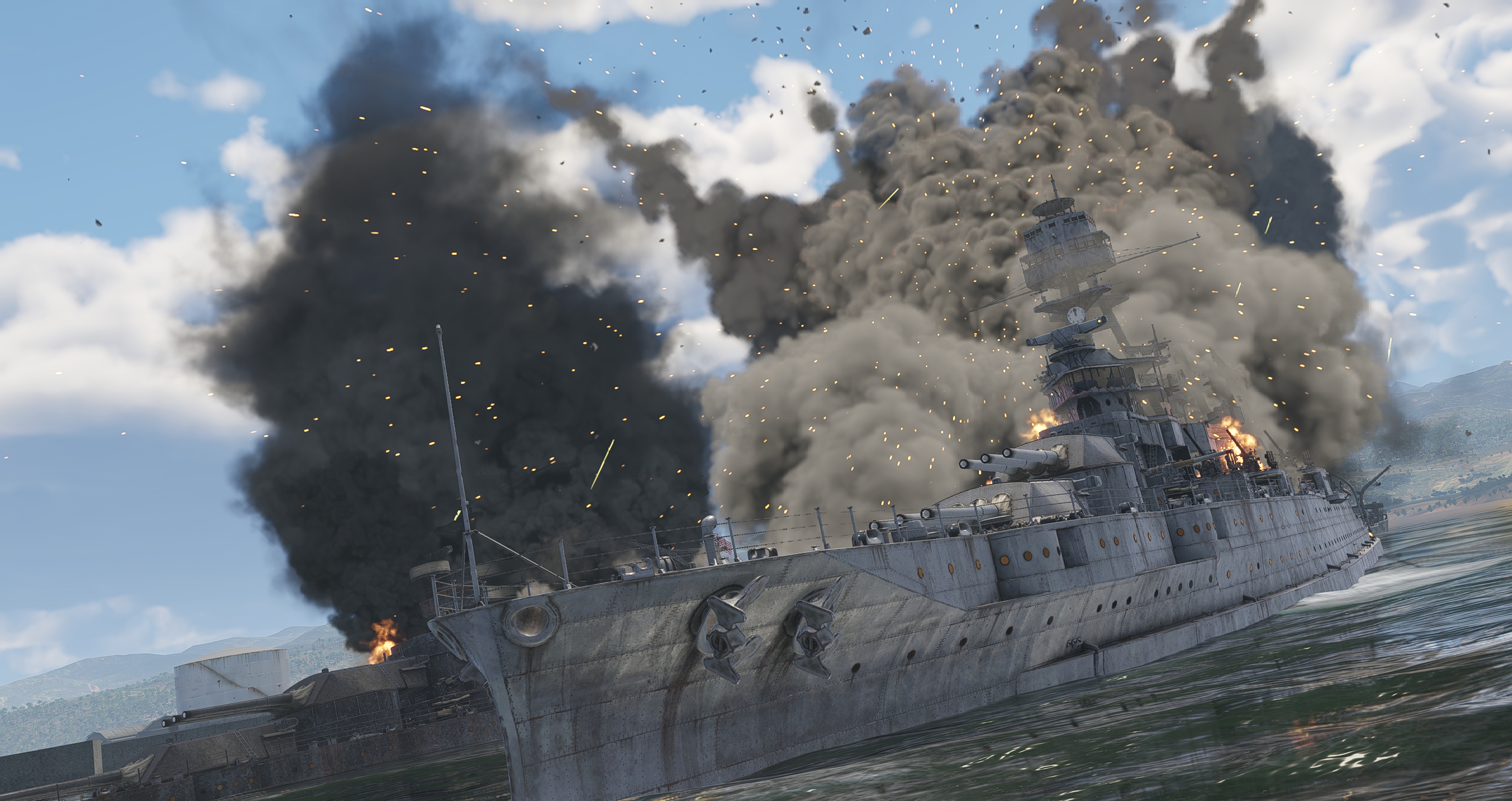
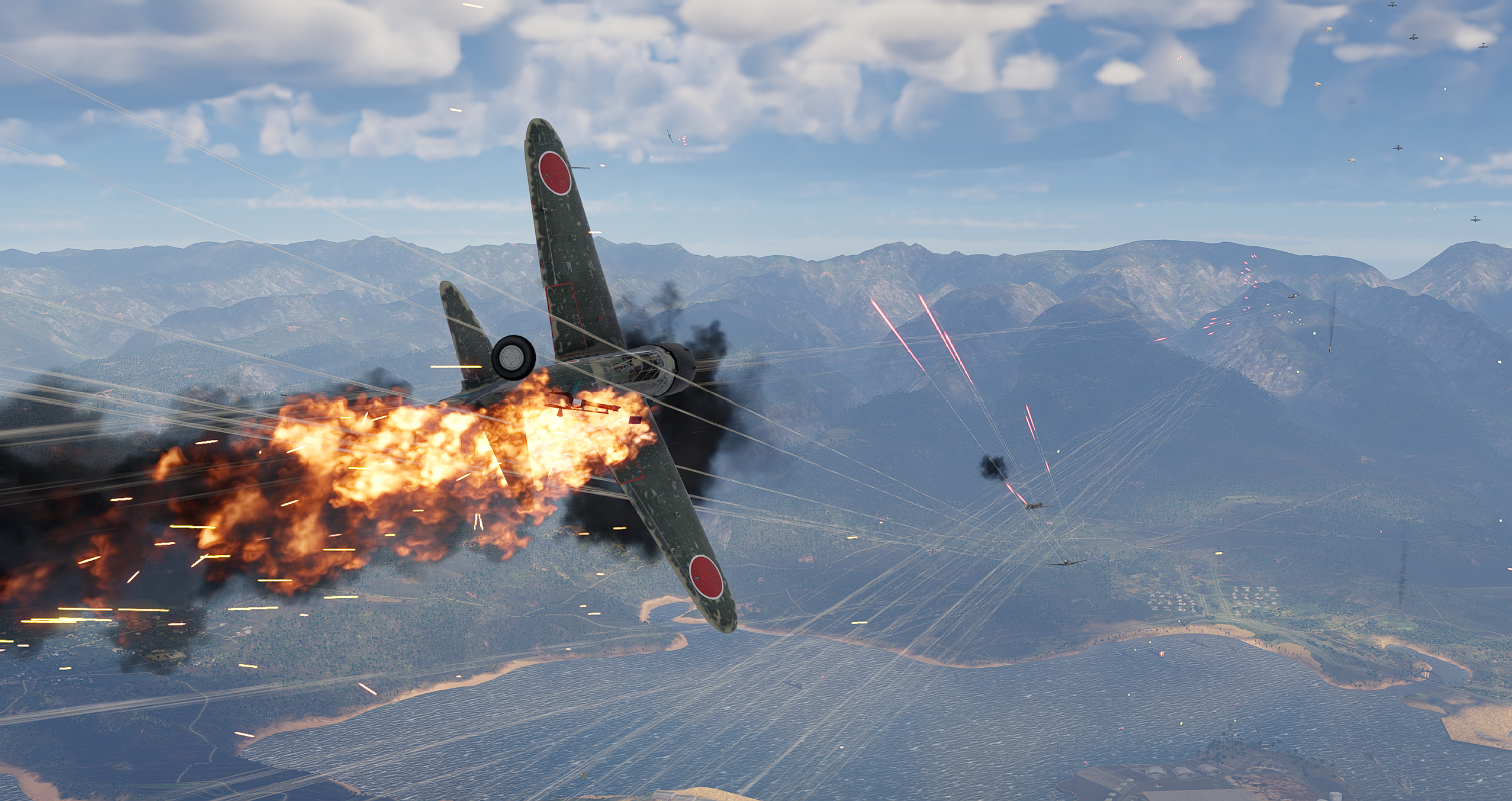
Now you too have the opportunity to become part of this famous defense, just like in real life.
After takeoff from a distant airfield, you find yourself en route to the bay, where you’ll inspect the port to assess the damage from the Japanese attack. Next, you’ll climb to 3,000 meters to intercept the second wave of Japanese bombers. Be aware that they’re being covered by maneuverable Zero fighters.
To fully immerse yourself in the historical campaign, check out this video from the War Thunder VR channel. In this video, the author didn’t just play through the mission, they also added music that perfectly complements the visuals, creating a uniquely immersive experience.

We hope the P-40E and the Pearl Harbor defense mission in Aces of Thunder will provide you with an unforgettable experience and allow you to touch the events of world history.